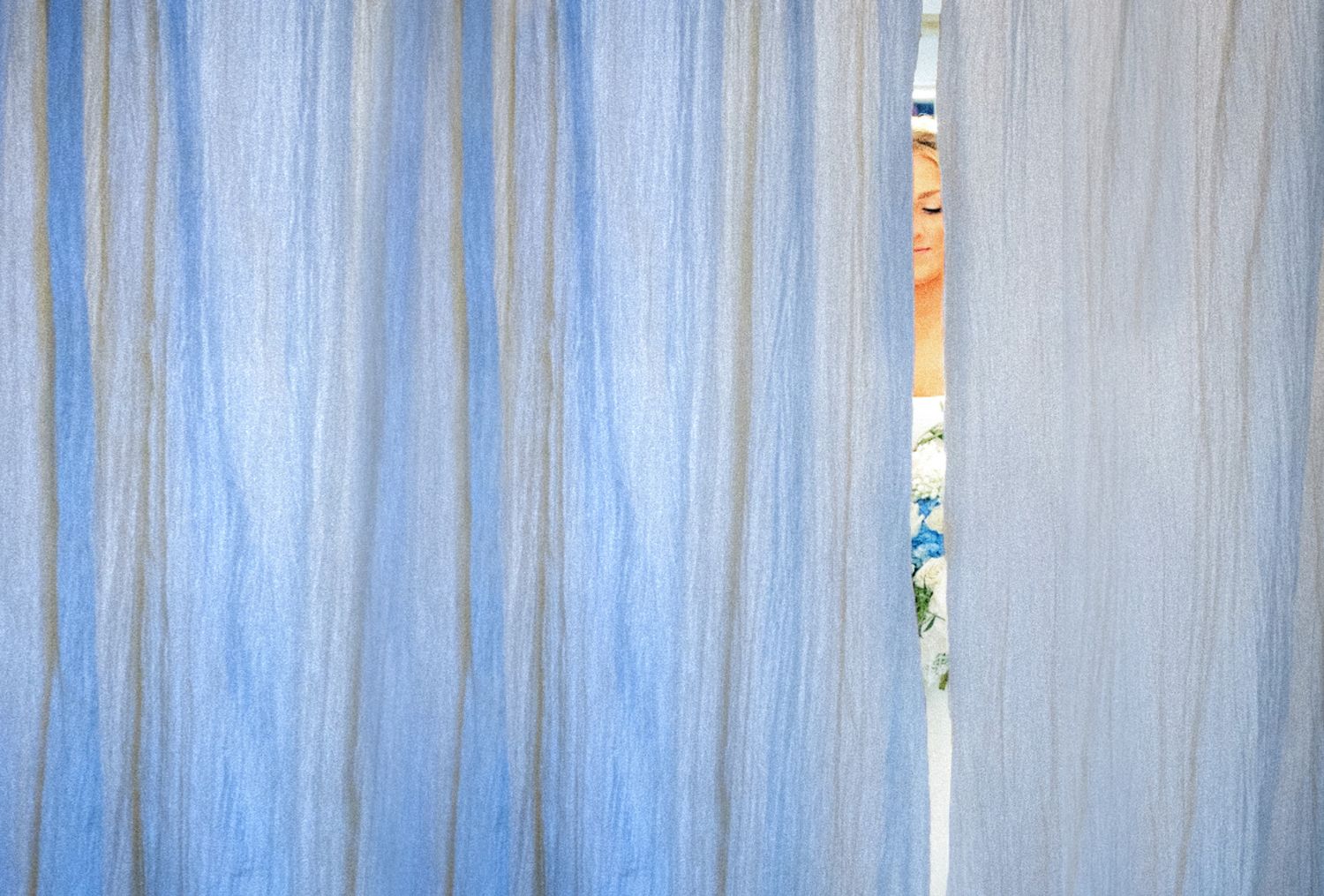
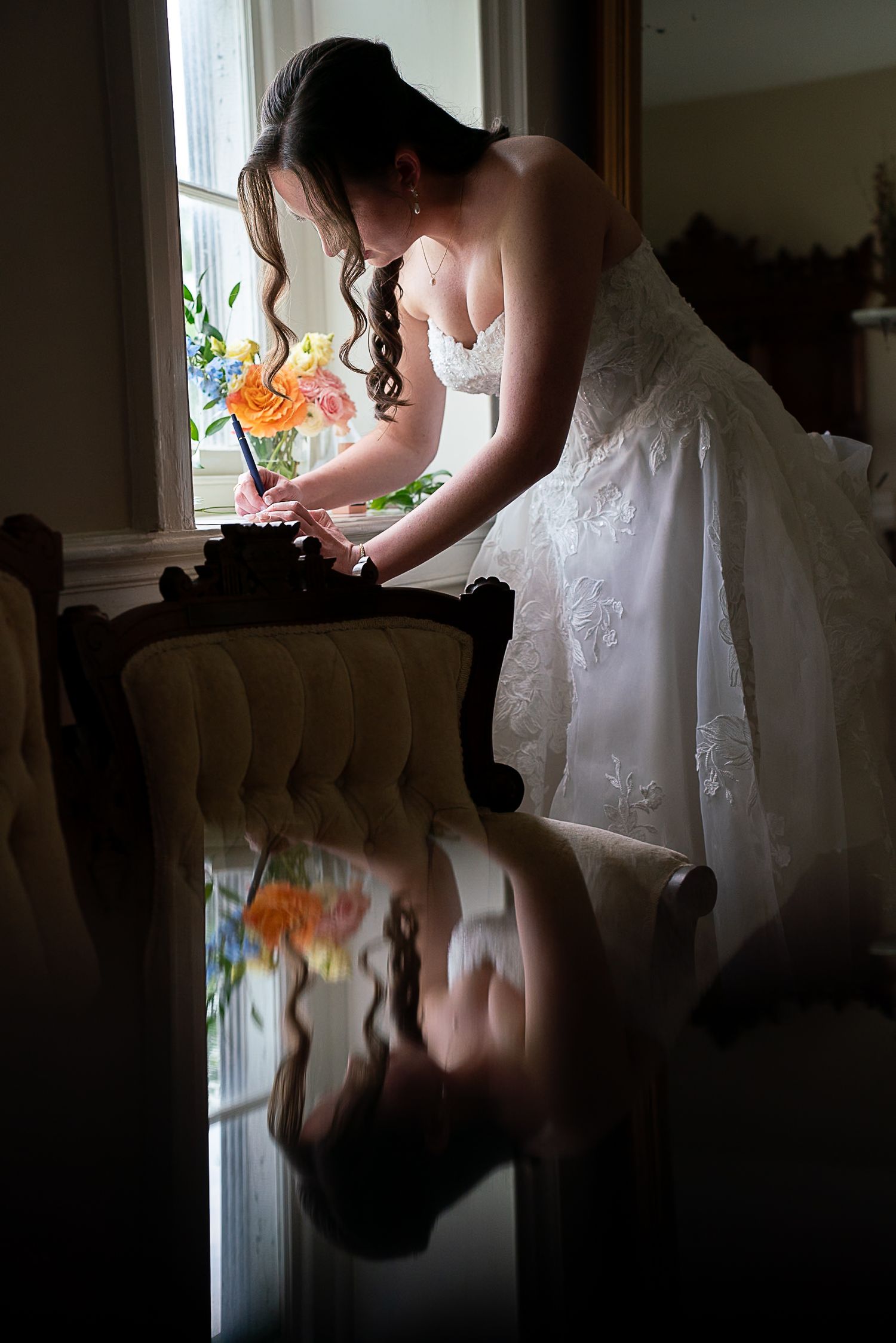
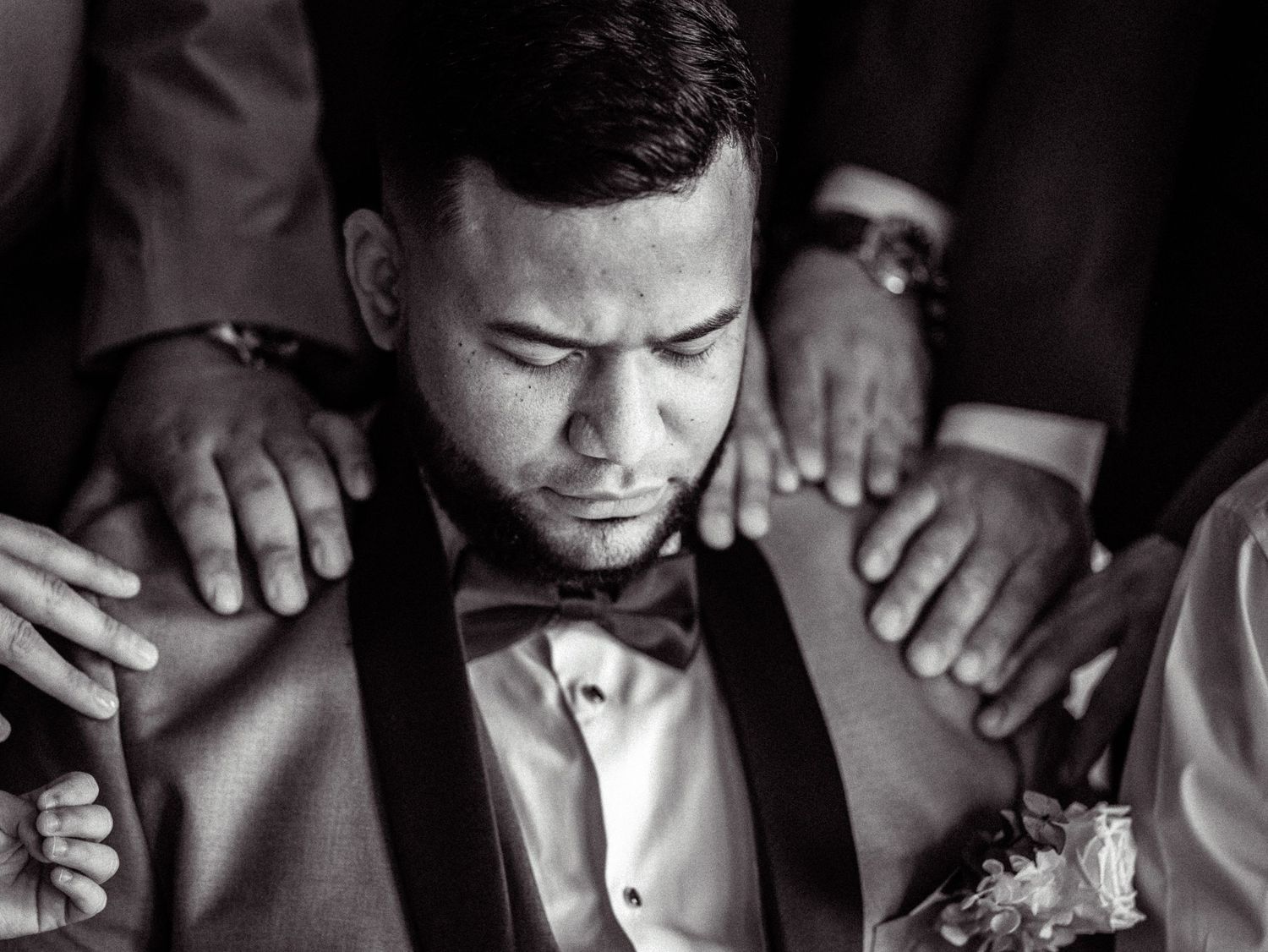
How the most valuable photos from your wedding won't be the ones where you were told to smile.
Let’s start with the fact that wedding photography isn't a standalone style; it actually combines every photography genre you can imagine. It includes portraiture, reportage, still life, street, and sports photography—even news coverage, if you will. Every single type of photography that exists comes into play on a wedding day.
That’s why saying, 'I’m a portrait wedding photographer' or 'I only work with natural light' doesn't quite work. Five minutes later, you might find yourself in a dark church or a room with no windows at all, where you still have to document the moments unfolding around you using artificial light.
Dividing wedding photography into these rigid categories is a mistake. While a photographer might lean into a specific style based on their background and personality, a wedding ultimately requires mastery of it all. In this article, however, we are going to dive specifically into documentary wedding photography.
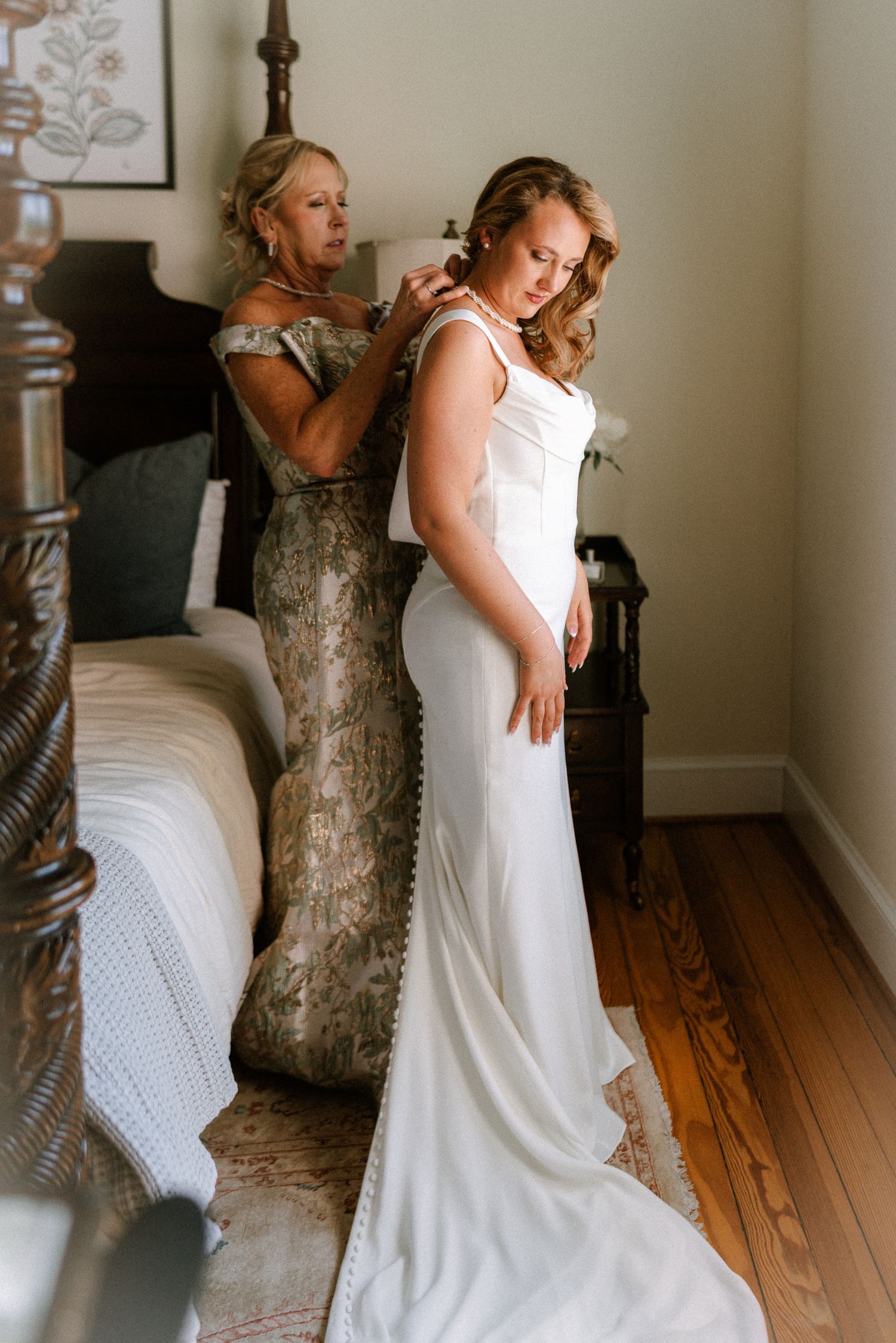
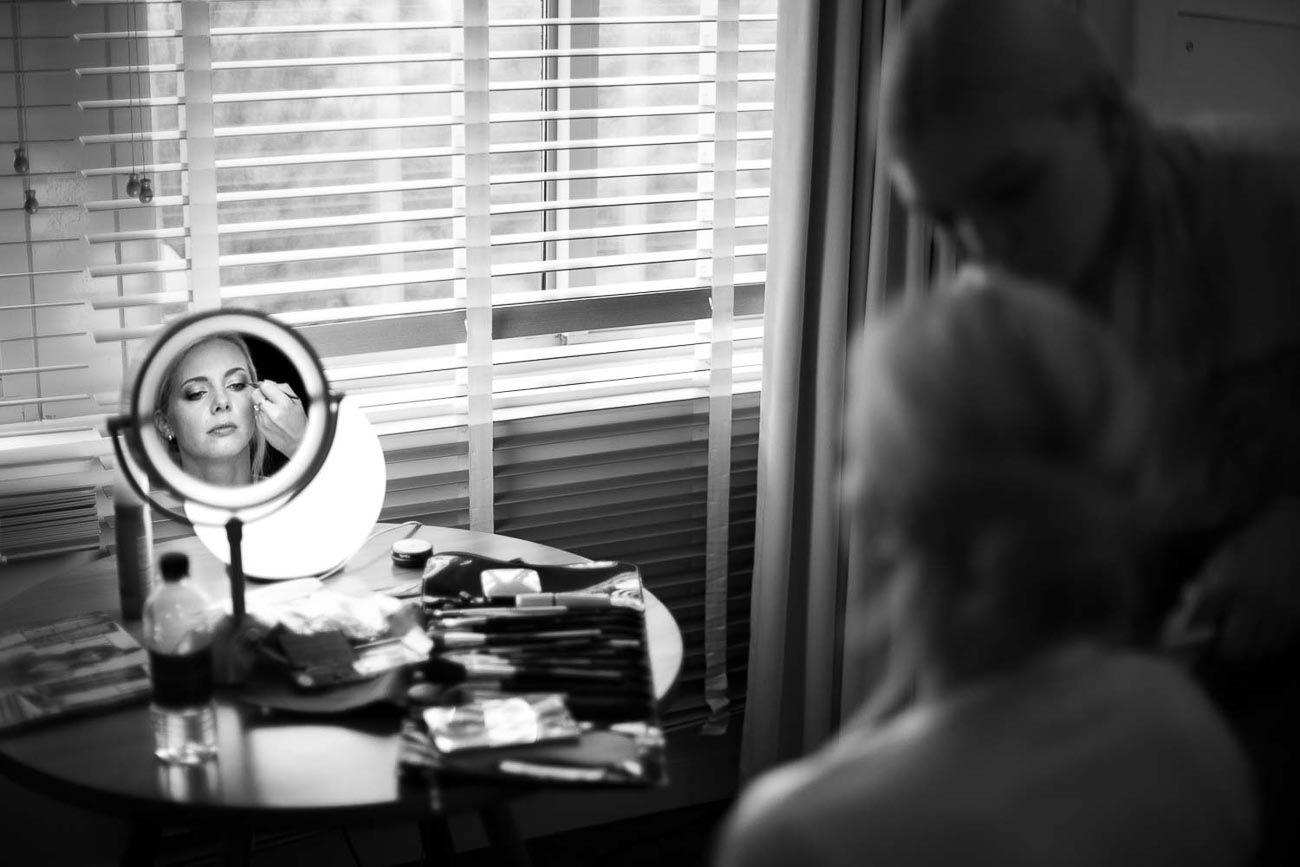
The morning light in the bridal suite didn’t arrive by accident. It was silver and sharp, and I knew it was the only way to truly capture the nervous grace in Sarah’s hands. I asked her to step into that glow by the window—a simple piece of guidance that set the stage—and then I stepped back into the shadows. As her mother fumbled with the tiny, silk-covered buttons of her gown, the scene began to breathe on its own.
This is where the story truly begins. Most people think documentary photography means being a passive bystander, but it is actually an active pursuit of the "human essence." It starts with a gentle direction—placing a couple in the best possible light or suggesting a natural gesticulation—and then letting the real world take over. In that window light, a silent, knowing look passed between Sarah and her mother. Because I wasn't busy directing them to "smile for the camera," I was ready to capture the weight of that unscripted connection.
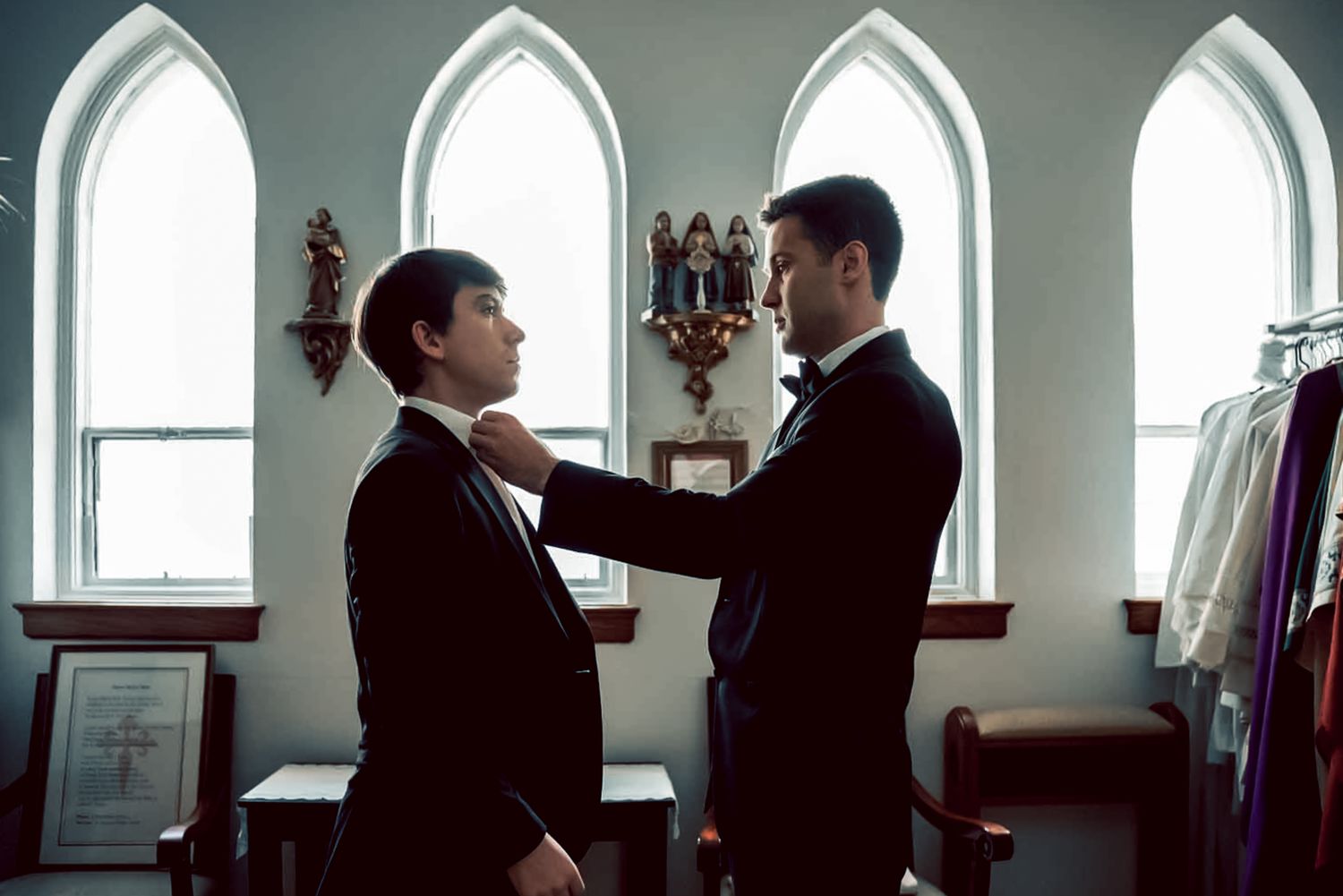
As the day accelerates, the tension between "The Plan" and "Reality" begins to mount. This is the rising action of any wedding day. The flowers might arrive later than expected, or the ring bearer suddenly decides he’d rather be a dinosaur than a toddler. Even the groom, usually the most composed man in the room, finds that his hands simply won’t cooperate as he fumbles with his tie for the fifth time.
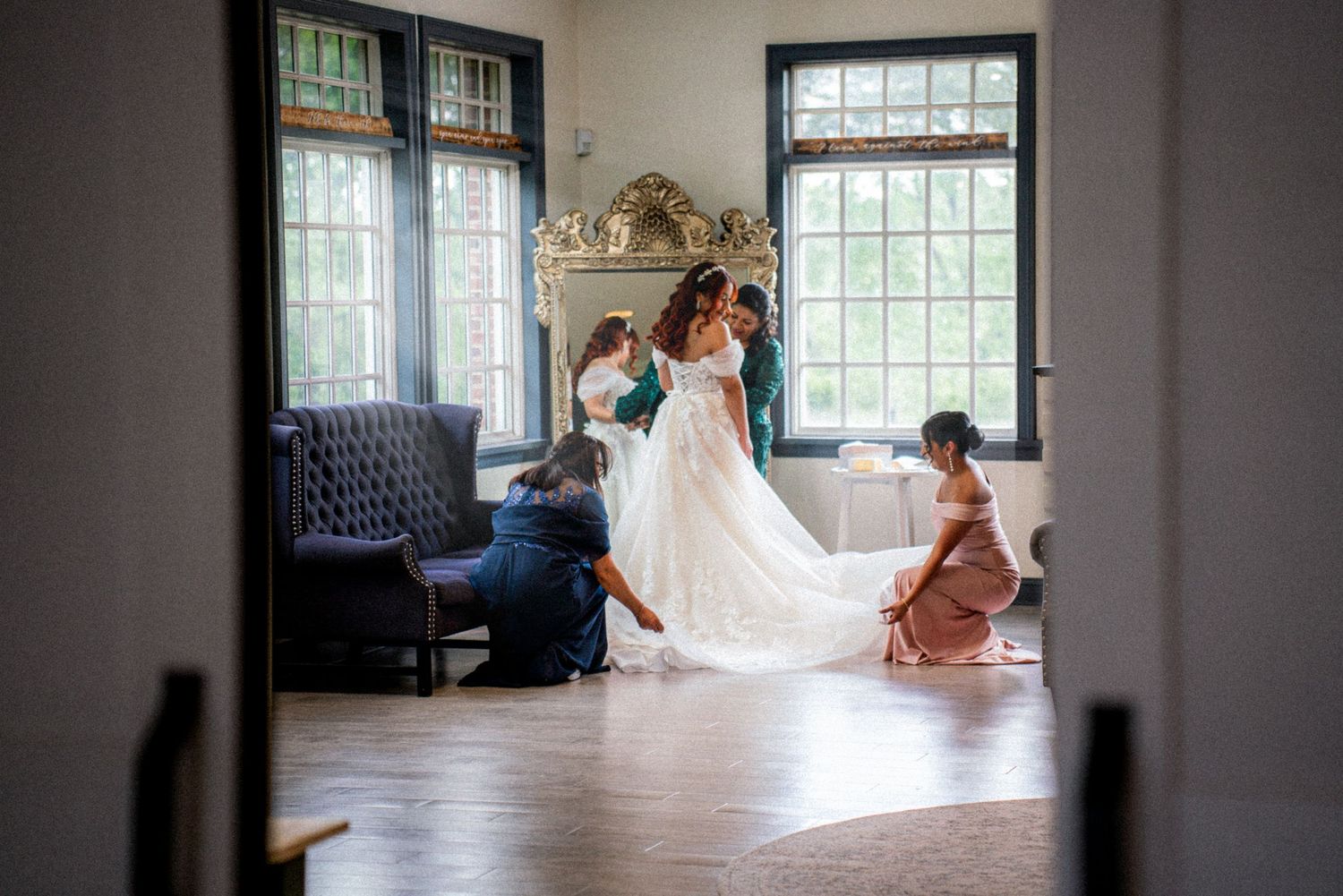
Traditional photography often tries to skip over these ripples, pushing the chaos out of the frame to maintain a polished facade. But in the documentary narrative, these moments are the rising stakes that make the story human. I don’t believe in being an invisible wallflower during these hours; like a seasoned reporter at a high-stakes event, I am constantly moving to find the best possible vantage point. These "imperfect" beats are the very memories that will remain so valuable through the years, serving as the honest foundation of your wedding story.
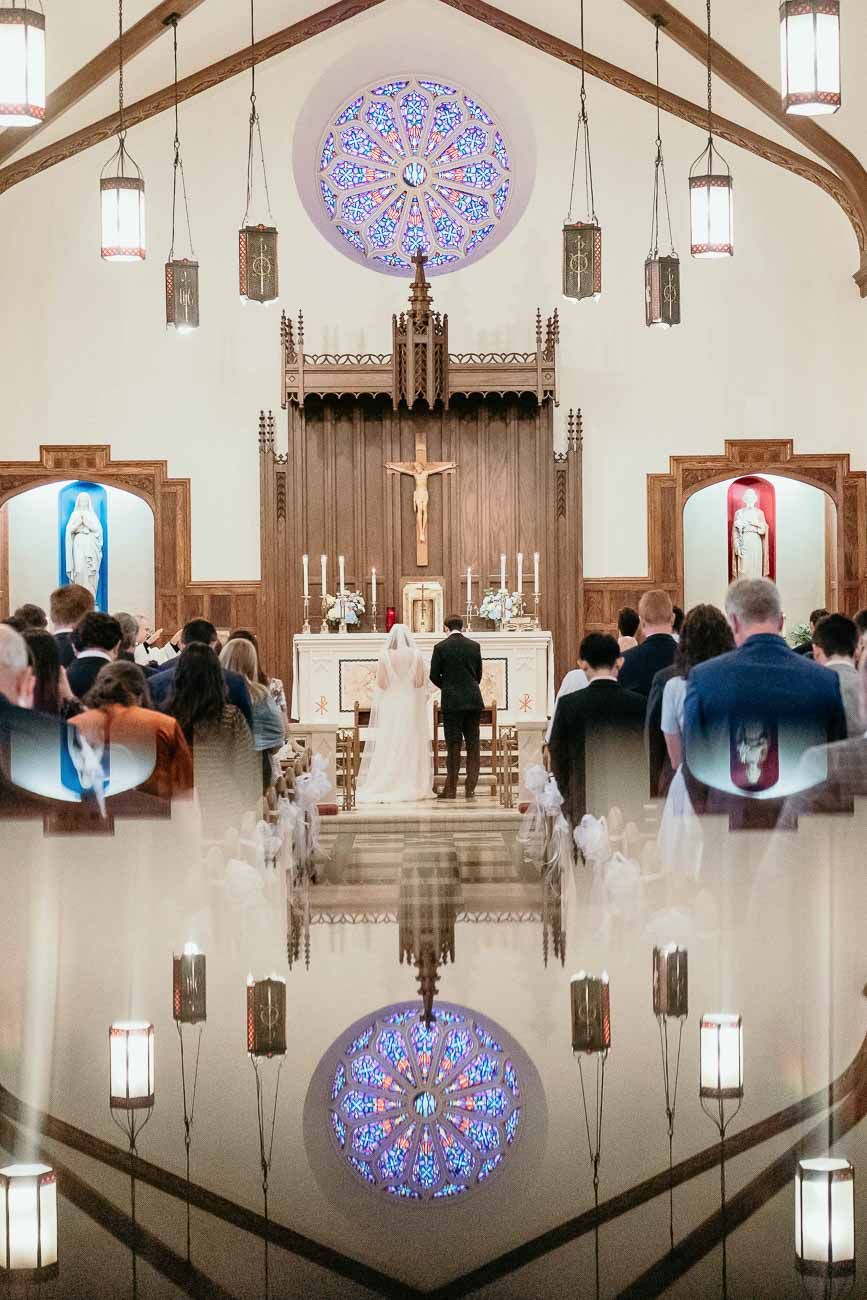
The doors of the chapel swing open, and the air in the room suddenly changes. This is the Climax—the point where months of planning dissolve into a single, breathless reality. For Sarah, the walk down the aisle is a blur of music and faces, but the documentary approach ensures that none of the gravity is lost. It isn't about standing safely in the back; it’s about a lens being exactly where the emotion is thickest, capturing the light as it catches the veil and the exact second Leo’s composure breaks at the sight of her.
In this high-stakes moment, the beauty lies in the "ripple effect." While the focus is on the walk, a documentary eye is also watching the perimeter—capturing a grandmother in the third row reaching for her husband’s hand or the heavy, sacred silence that falls over a room of a hundred people. These aren't just background details; they are the layers that make the story whole.
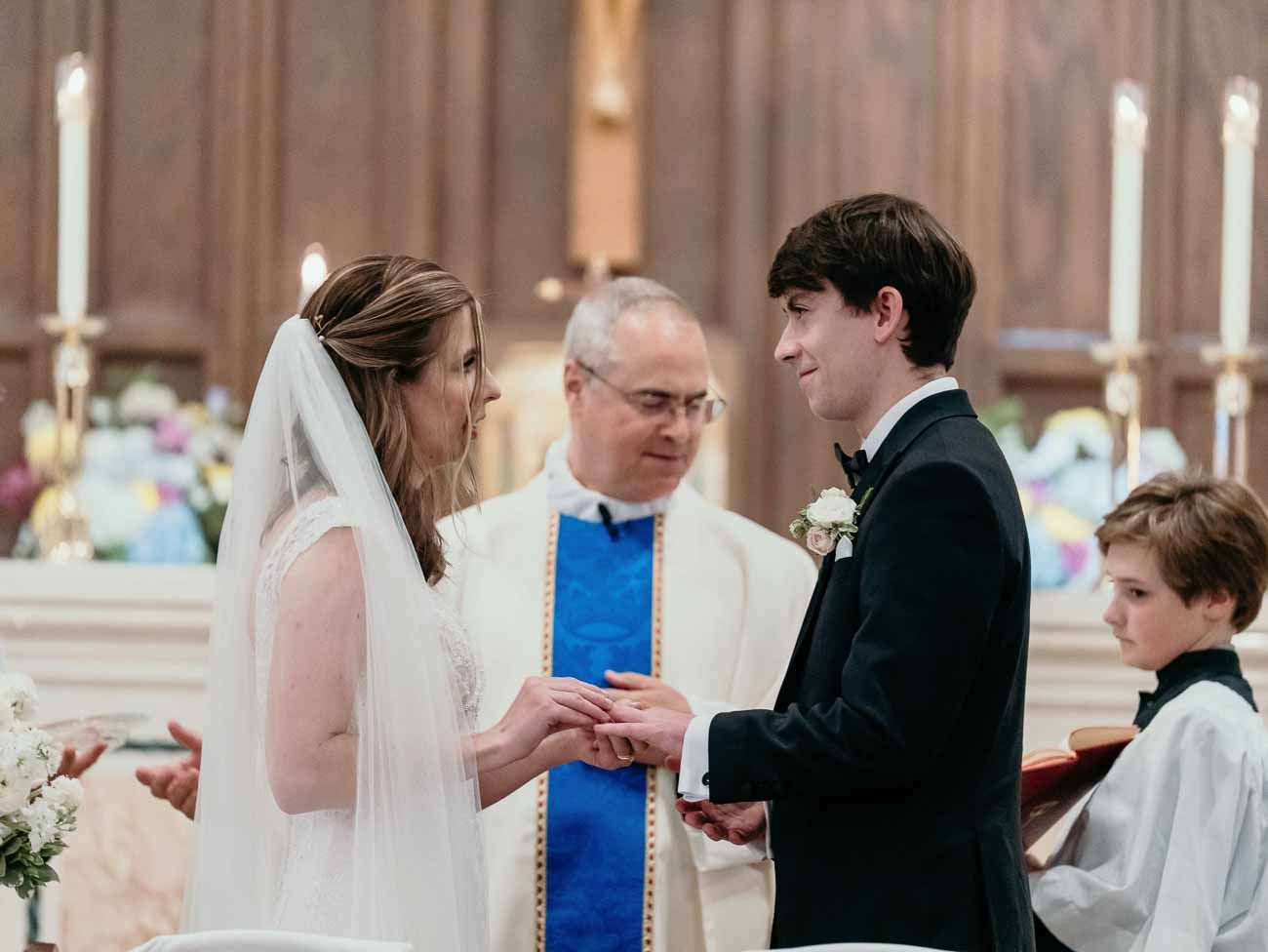
When the vows are exchanged and the rings are slid onto fingers—sometimes with grace, and often with a bit of nervous fumbling—there is an honesty to the friction. The "First Kiss" isn't treated as a stiff, frozen statue for a gallery; it’s captured as a frantic, joyous collision. By prioritizing the best possible vantage point over traditional "safety," the documentary style preserves the visceral, close-up energy of the moment two people finally become one.
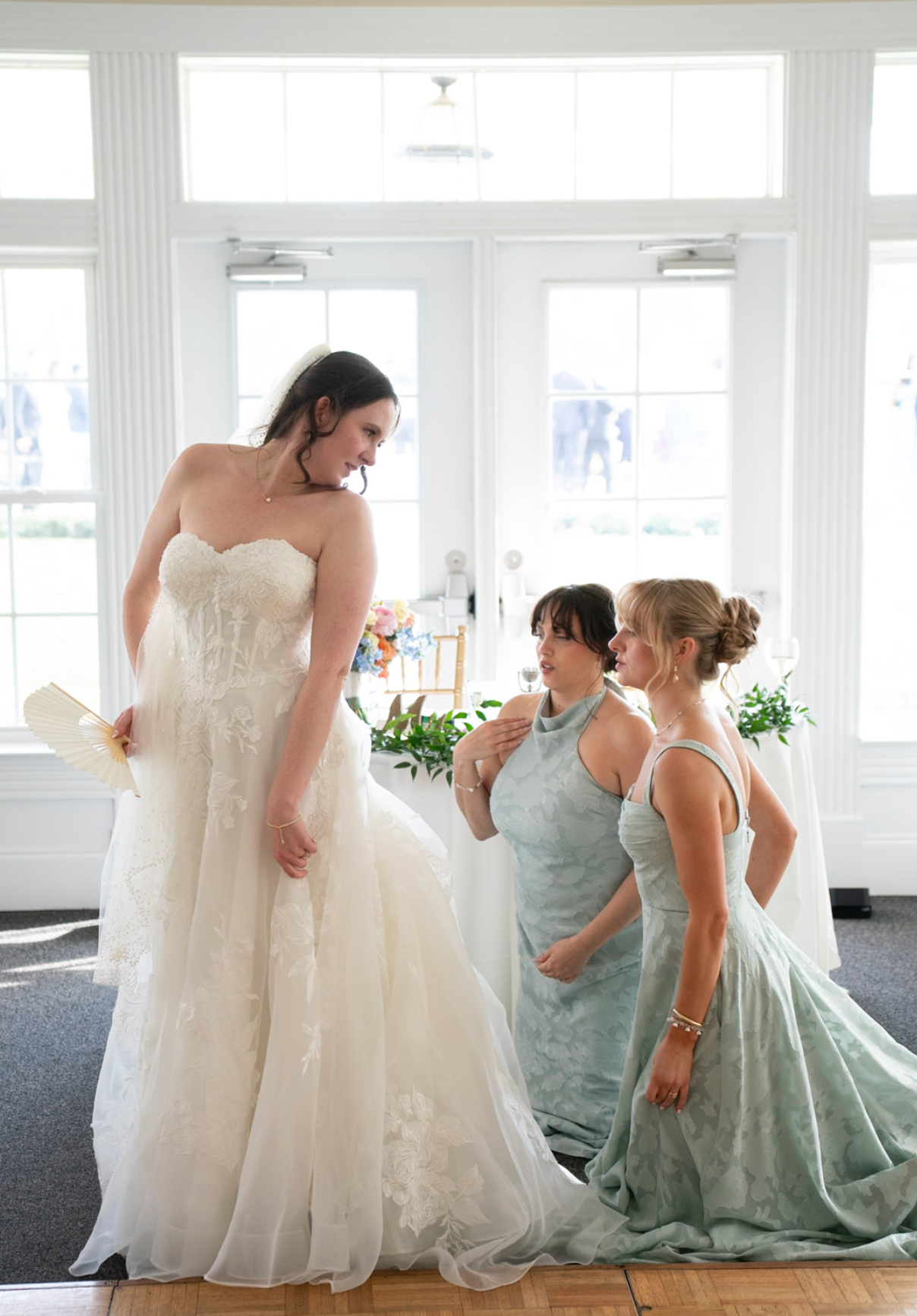
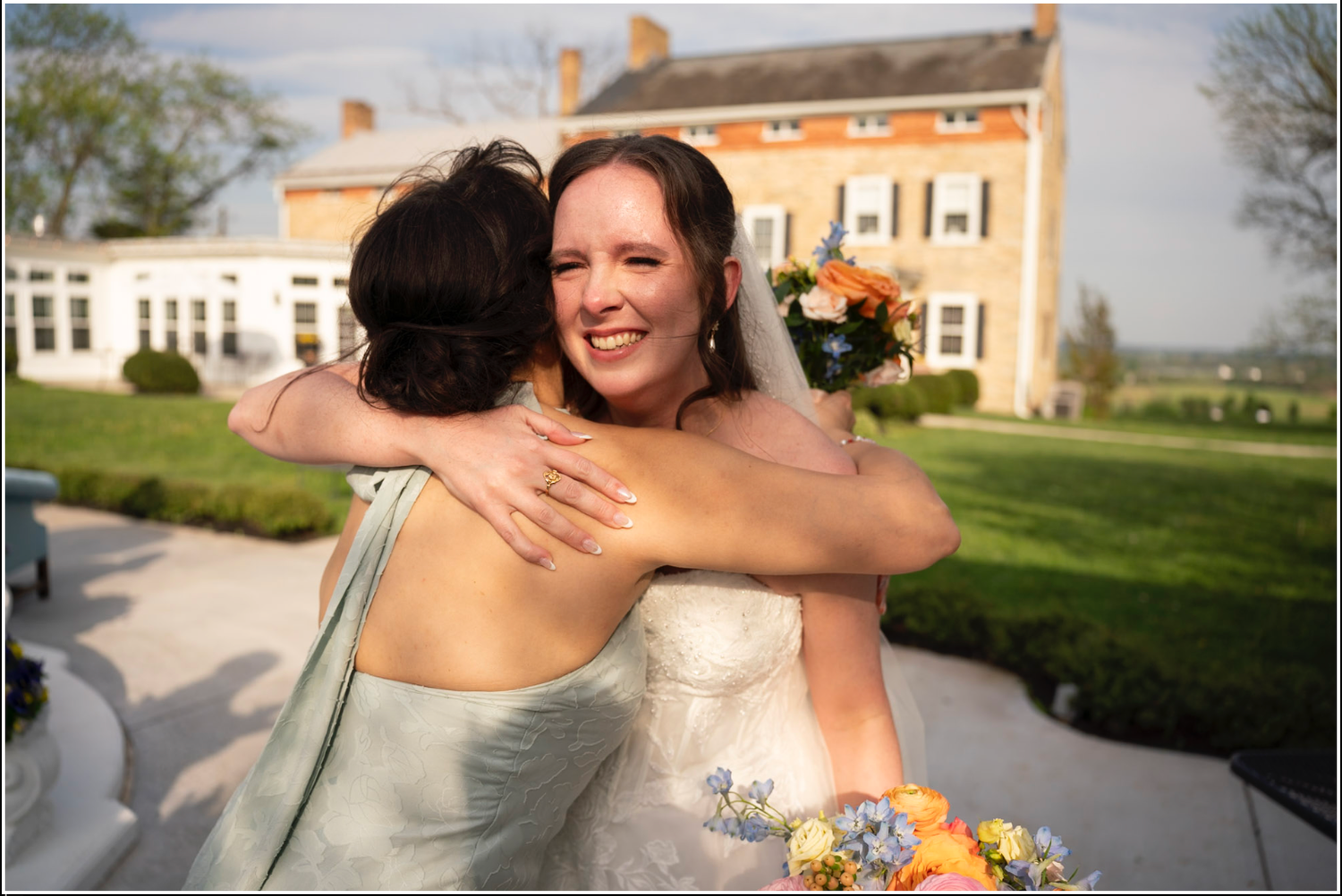
The ceremony ends, the tension breaks, and the Falling Action begins. This is the "Golden Hour" of the reception. Sarah kicks off her heels under the sweetheart table, and Leo’s tie is finally loosened. This is where the documentary approach is at full power. While everyone else is focused on the dance floor, the camera is looking for the quiet stuff.
It’s about the genuine hugs, the tears of joy, and the beauty of simple moments—like the way the light hits the half-empty wine glasses or a group of groomsmen laughing in the corner until they can’t breathe. You might see Sarah leaning her head on Leo’s shoulder for exactly four seconds while the DJ changes the track. All of these small beats create a tapestry of life. In the end, these unscripted shots are the ones that tell the real story of who your friends and family are.
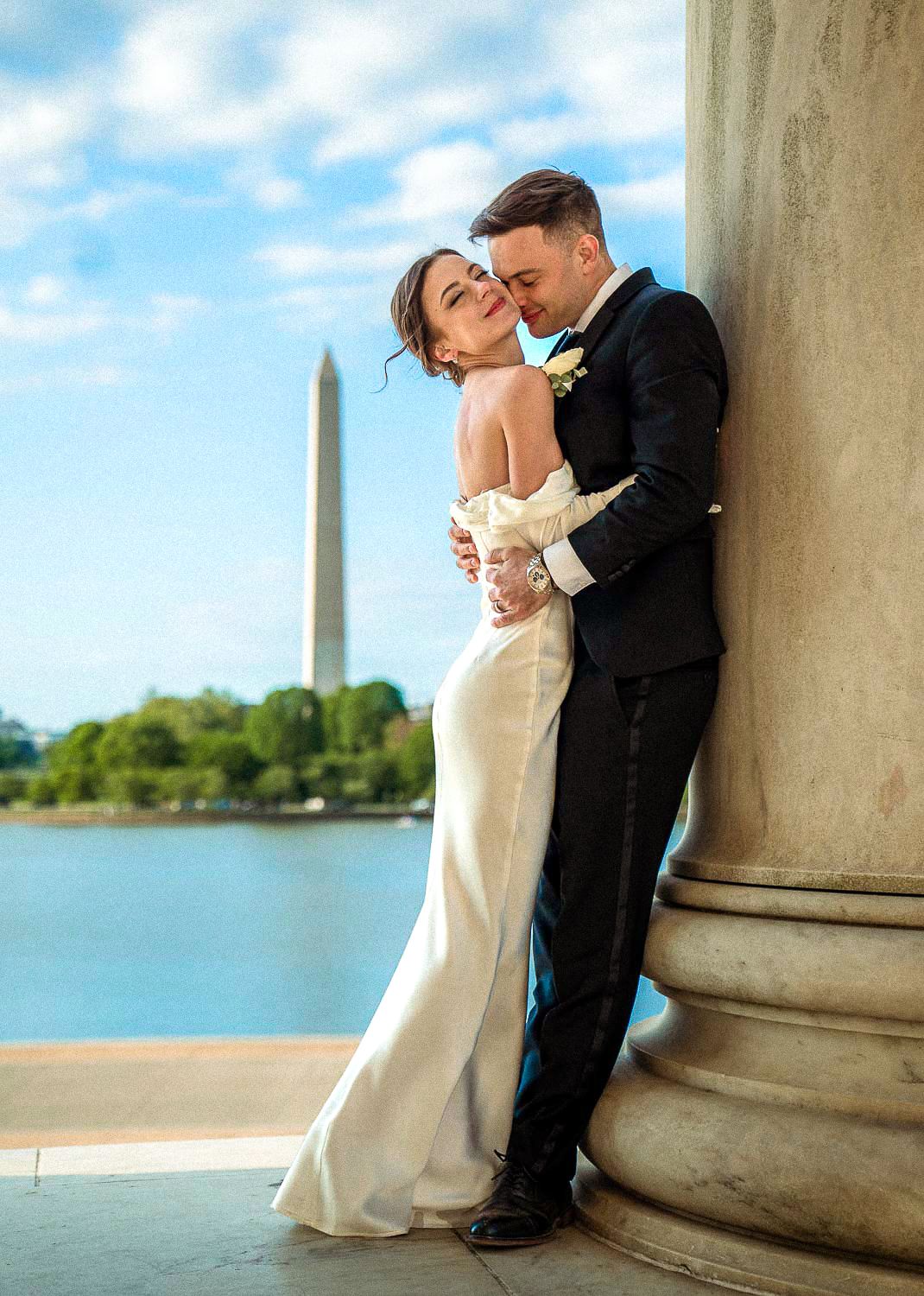
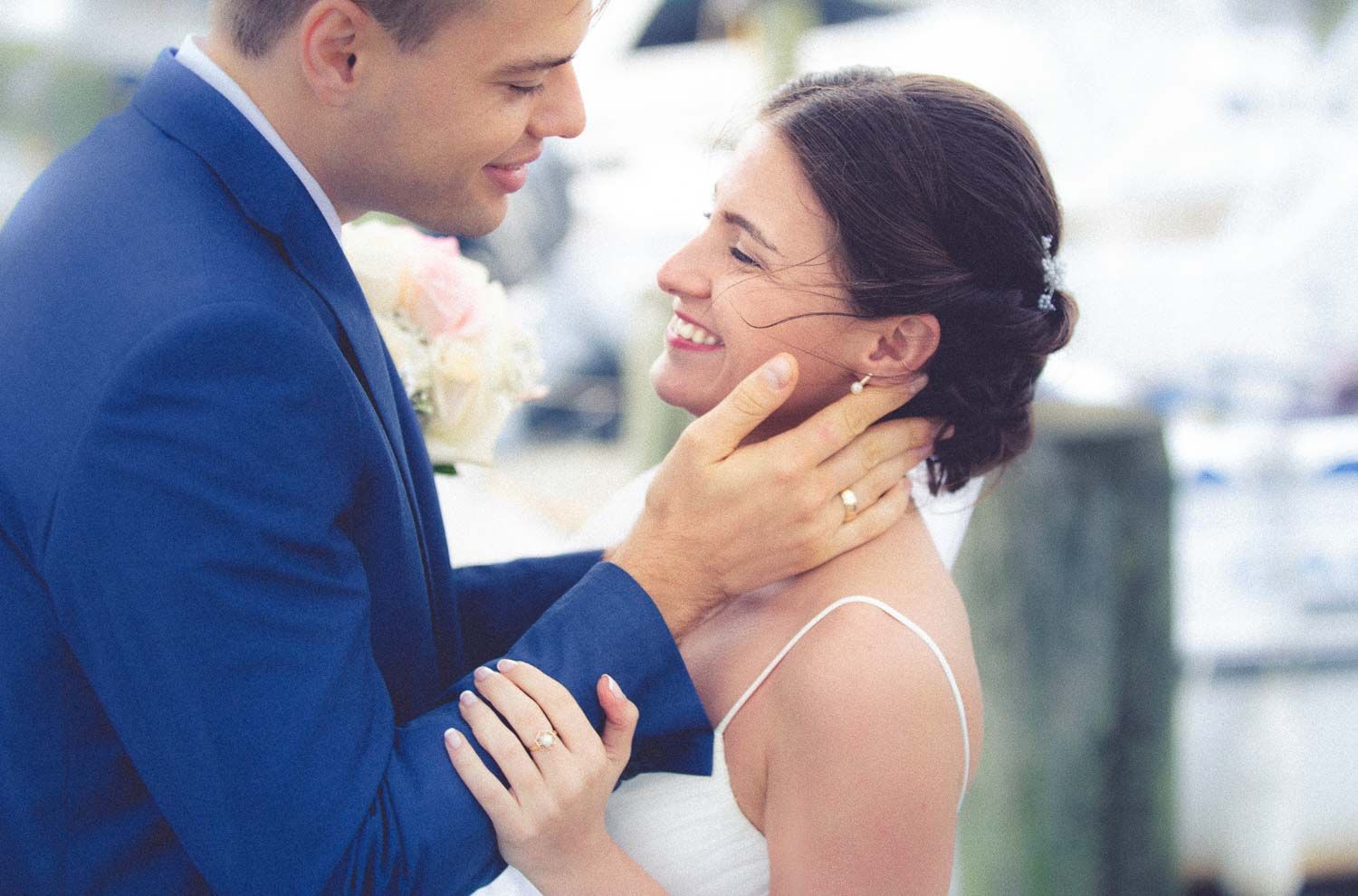
The night eventually winds down. The last song plays, the sparklers flicker out, and the couple disappears into the night. This is the Resolution. But the true "Denouement" happens weeks later, when the gallery finally arrives. This is when the documentary approach proves its worth.
When Sarah and Leo look back at these images, they won't just see a perfectly lit window or a well-placed pose; they will see a time capsule of their own emotions. They will see the story of a day that was lived, not just performed. Documentary wedding photography is vital because time is a thief of memory. While the details of the menu or the flowers might fade, these honest, unscripted images anchor the way the day actually felt.
In the end, you don't need a photographer to direct your love; you need a witness who knows exactly where to stand to catch it. You need someone who balances the guidance of a professional with the instinct of a reporter. Because twenty years from now, the most valuable photos won't be the ones where you were told how to smile—they will be the ones that captured the messy, beautiful, and authentic essence of who you really are.
(Images featured in this story are a collection of moments captured across various celebrations, representing the universal journey of a wedding day.)
Get in Touch
Let's craft memories that last a lifetime